Post-Install Support: What Happens After Your Audio Visual System Goes Live?
Once your new commercial AV system is installed, it’s time to get behind the wheel. In our experience here at Brightengale, installing custom AV solutions for some of America’s most recognizable brands over the years, we’ve seen that every team benefits from clear guidance as they get acquainted with new processes and controls.
That’s why knowledgeable and dedicated post-installation support is so important.
In this article we’re delving into what post-install AV support typically includes, how support needs can vary by industry, and how your organization can achieve smoother adoption and long-term enjoyment of your new audio-visual network.
Why Post-Installation AV Support Is a Critical Phase
The period immediately following installation plays a decisive role in the long-term performance and reliability of a commercial AV system. This phase is where systems transition from a completed project into dependable, day-to-day operational tools. Here’s how:
User confidence is built—or lost—during this phase: Team members who receive proper training and instruction in the new technology are more likely to come to rely on it, even if it seems daunting at first.
AV systems don’t stay static: The software that powers your AV system will need to go through important updates, and the network or the way you use the system may change. Regular support is important both to keep the system operating optimally and to help users navigate changes in the UX as they arise.
Early support sets long-term outcomes: With clear documentation and training, you and your team should be able to become familiarized with the system and work out any kinks so that issues don’t crop up later.
Post-install support can protect the original investment: Ongoing support helps identify and resolve issues early, reducing avoidable wear, failures, and the need for premature equipment replacement.
It makes it easier to onboard and to scale down the road: It can be easier for your team to train new staff or volunteers in the use of the AV system when the teacher has been thoroughly trained to begin with.
What Typically Happens After an AV System Goes Live
Final System Testing & Optimization
A full run-through that includes audio tuning, video calibration, and network validation verifies that all components are working as intended. The installer simulates real-world conditions such as crowded rooms to test all the levels and experience the system the same way your users and audiences will.
As -Built Documentation & System Handover
The installer should provide the full and accurate record of the system’s design and construction, complete with system diagrams and equipment lists. They hand it off to you along with basic operating instructions for day-to-day use to keep on hand. For direct help, you should also receive all necessary contact information to reach them quickly.
User Training & Knowledge Transfer
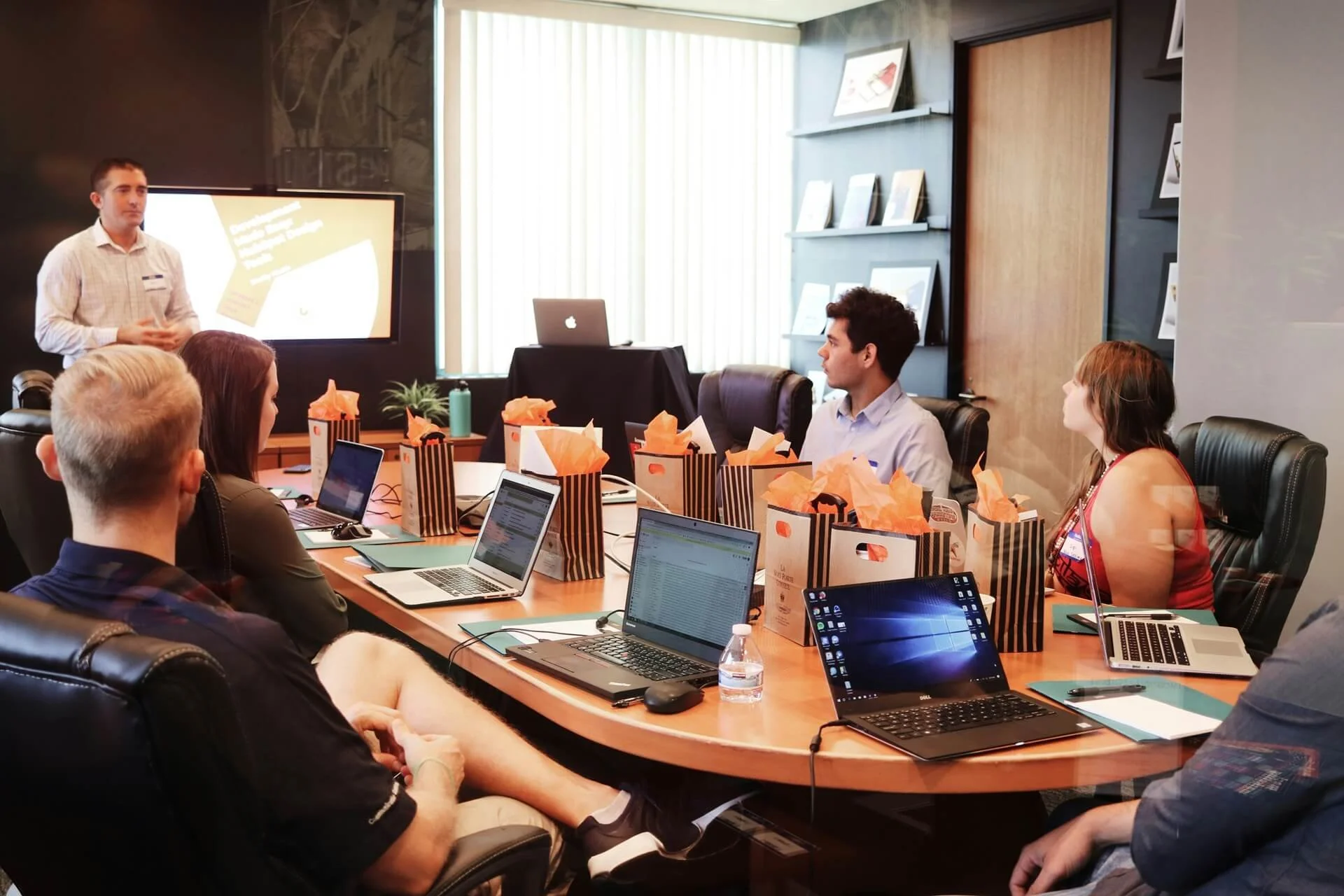
This is the key deliverable: hands-on training for you and your team by the experts, with real-use scenarios and Q&A opportunities. Whether it’s for your IT or facilities team, everyday users, or non-technical volunteers, walkthroughs should be tailored to the audience’s proficiency level.
Transition into Ongoing Support
Once the handover is complete, you’ll be moving into warranty coverage, as well as service coverage, if applicable. The installer should discuss each with you, as well as how maintenance works, updates, any future scale-up, and the support channels available to you.
How Post-Install Support Needs Vary by Industry
Corporate & Office Environments
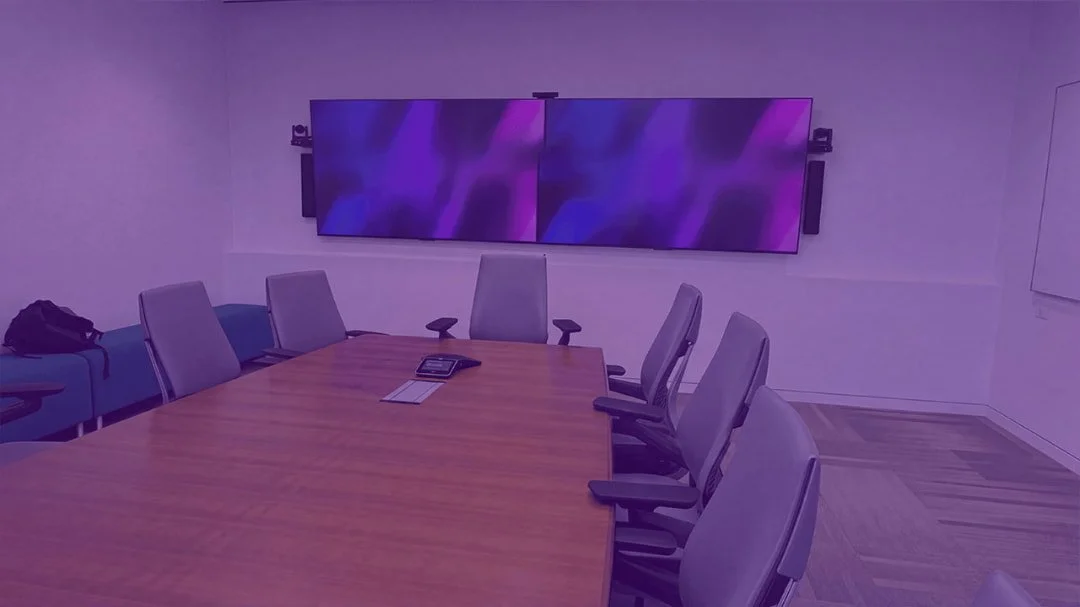
Reliability during meetings and presentations is a priority, as disruptions can affect productivity and professional credibility. Post-install support in these environments often centers on:
video conferencing platforms
fluid hybrid meetings, and
integration with IT networks.
Effective support also includes training that extends beyond IT teams to everyday users, reducing reliance on last-minute technical assistance during meetings.
Houses of Worship
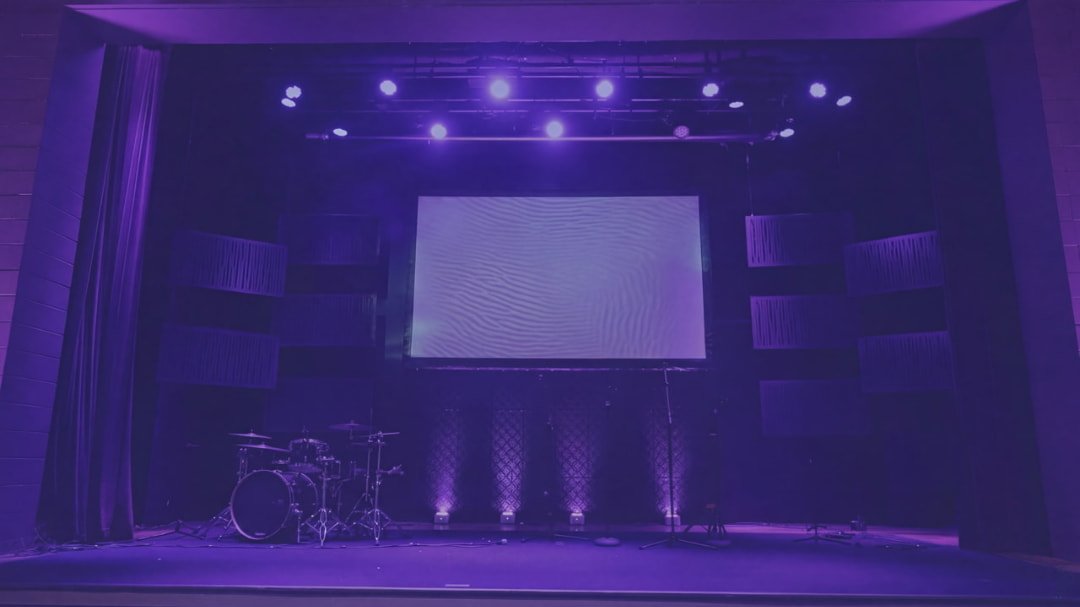
Church services are often run by volunteers in the background, making ease of use important when it comes to AV support. These organizations typically need fast issue resolution and clear audio and video for live services and streaming.
And because volunteer and even staff turnover can be high, ongoing training and ample documentation are especially important.
Hospitality Venues
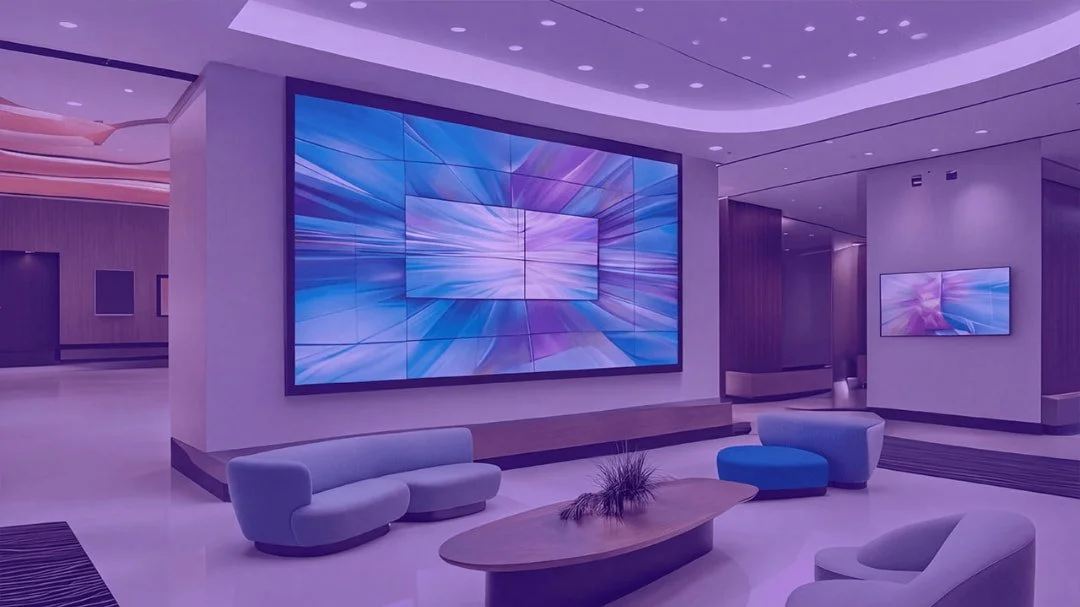
AV systems are integral to the guest experience at hotels, restaurants, clubs, and other hospitality locales. Support needs generally involve background music and TVs and displays in lobbies and common areas, as well as preventive maintenance to avoid guest-facing issues.
All work performed during business hours should create minimal disruption to the environment.
What Organizations Can Do to Make Post-Install Support Smoother
Make your transition to a new AV system easier by following these recommendations:
Before installation, work with your AV company to create a 3-5 year AV roadmap outlining your plans regarding the number of rooms you’ll need to run AV to, your hybrid work strategy, your estimated budget, and your chosen internal standards as to cable types, hardware families, mounting, etc.
Assign an internal point of contact for AV-related questions and appoint someone to be in charge of new platform adoption and standards enforcement moving forward.
Discuss your documentation needs early, and request system overviews and as-built documentation to be provided at the end of the installation.
After installation, schedule training sessions when spaces with new tech are in use.
Keep records of changes, updates, or recurring issues.
Identifying Installers with Effective AV Support
Not all AV providers approach post-installation support in the same way. The following characteristics are commonly associated with providers that deliver reliable, long-term support after systems go live.
Clear communication about post-install support
Providers with strong post-installation support clearly articulate how support is structured, including:
- What post-install steps are included once the system goes live
- Who is responsible for support and escalation
- How support requests are submitted (e.g., ticketing system, phone, email, or portal)
- What response expectations or service levels look like
Clear, specific explanations signal that support is a defined part of the provider’s offering, not an afterthought.
Access to skilled, knowledgeable technicians
Effective post-install support depends on technicians who understand both AV systems and the IT environments they operate within. Strong providers demonstrate:
- Technical fluency across AV hardware, software, and networks
- The ability to explain issues and solutions clearly
- Continuity of knowledge between system design, installation, and ongoing support
This depth of expertise is important for resolving issues permanently rather than repeatedly.
Practical, role-based training plans
Post-installation support is closely tied to how well users understand the system. Providers with effective support approaches offer training that:
- Prepares for real-world usage
- Accounts for different user roles (IT teams, staff, volunteers, operators)
- Includes hands-on practice and time for questions
Well-designed training reduces reliance on support while improving confidence and system adoption.
Understanding of the operating environment
Strong support models reflect an understanding of how and when systems are used. This includes awareness of:
- Business hours, service schedules, or peak usage times
- How downtime impacts operations
- Which users rely on the system most heavily
Support that accounts for operational realities is more effective and less disruptive.
Long-term system awareness
Providers with strong post-installation support maintain an ongoing understanding of system configuration and evolution. This includes:
- Familiarity with the current system and its components
- Guidance on updates, upgrades, and future expansion
- Documentation that supports long-term system management
This approach helps keep systems reliable, adaptable, and well-supported over time.
About Brightengale’s Approach to Post-Installation Support
Brightengale’s post-installation support focuses on system reliability, practical user training, and ongoing technical assistance.
By pairing immediate post-install support with continued technical expertise, Brightengale helps organizations operate their AV systems confidently and adapt them as needs evolve.
Planning Your Next AV Project?
If you’re in the process of vendor selection, be sure to inquire about a candidate’s post-install support.
Will they be able to set you up for long-term success or is low installation cost their biggest selling point? Do they prioritize training? documentation? responsiveness?
At Brightengale, the post-install phase is another opportunity for us to add value to your enterprise, through training, system optimization, and ongoing technical assistance.
Read next